Preparing for Success in GCSE Combined Science
Success in GCSE Combined Science requires students to develop secure knowledge and understanding across Biology, Chemistry and Physics, while also being able to apply their scientific knowledge to unfamiliar contexts, analyse information, interpret data and demonstrate their understanding of practical science. Students should revise regularly across all three sciences and develop examination confidence through frequent practice of examination-style questions.
Qualification: GCSE Combined Science
Examination Board: OCR Gateway A
🔗 Specification OCR Gateway Science Suite Combined Science A (J250)
📝 Past Papers GCSE Combined Science Past Papers and Mark Schemes
Students will need to select the appropriate Higher Tier or Foundation Tier examination papers.
Revision Resources
Students should make regular use of the revision materials and resources provided by the Science Department to consolidate their understanding across Biology, Chemistry and Physics
Regular revision should include revisiting previously taught content, identifying gaps in knowledge and completing examination questions.
📚 Recommended Revision Materials
Students should use the revision materials recommended and provided by the Science Department alongside their classwork and independent revision.
Revision should cover all three areas of Combined Science:
- Biology
- Chemistry
- Physics
Students should ensure they are revising material appropriate to their Foundation or Higher Tier entry.
💡 How to Revise Combined Science
🧪Combined Science: 5 Steps to Success
🔍 Step 1: IDENTIFY
Work out what you need to improve.
- Use your Year 10 and Year 11 Pupil Progress reports to identify areas that need improvement.
- Make a list of the topics you find most challenging across Biology, Chemistry and Physics.
- Prioritise your weakest topics rather than simply revising the areas you already know well.
Remember: Effective revision starts by knowing exactly what you need to work on.
📚 Step 2: REVISIT
Go back over the knowledge before testing yourself.
Use your revision resources to revisit each topic:
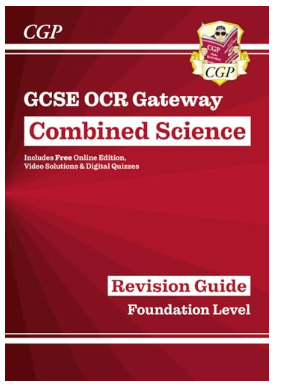
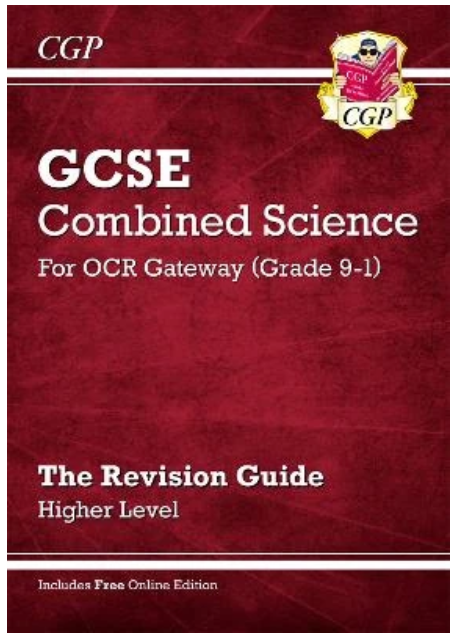
- 📘 CGP Combined Science Revision Guide
- 💻 Physics & Maths Tutor revision notes
- 🎥 Cognito
- 🎥 KayScience
- 📝 Your class notes and resources
Focus on understanding the key knowledge, processes, equations and required practicals, rather than simply reading through your notes.
🧠 Step 3: QUIZ
Test yourself without looking at your notes.
Quiz yourself regularly on:
- Key scientific definitions
- Formulae and equations
- Processes and explanations
- Required practicals
- Labelling and interpreting diagrams
- Key facts and scientific vocabulary
Useful resources include:
- Seneca Premium Seneca Premium
- Cognito – free account available Cognito (free to make an account)
- Flashcards using the Leitner Method
- Physics & Maths Tutor flashcards Free flashcards here
⭐Top tip: Don't just reread your flashcards. Try to answer from memory first, then check your answer.
✍️ Step 4: PRACTISE
Turn your knowledge into examination marks.
Once you have revised and tested your knowledge, complete exam questions on the topic.
- Start with topic-based examination questions.
- Progress to full sections and then complete past papers.
- Practise without your notes wherever possible.
- Use approximately 1 minute per mark when practising under timed conditions.
- Pay close attention to command words and the number of marks available.
Practise calculations, application questions, required practical questions and extended-response questions as well as knowledge recall.
📄 Use the school's Combined Science past-paper resources alongside your other revision materials.
✅ Step 5: CHECK & REPEAT
Mark it, correct it and learn from it.
After completing examination questions:
- Mark your answers using the mark scheme or worked solutions.
- Correct anything you got wrong.
- Identify why you lost marks.
- Go back and revisit the knowledge if necessary.
- Attempt another question on the same topic to check that you can now do it.
🔄 Then repeat the cycle:
IDENTIFY → REVISIT → QUIZ → PRACTISE → CHECK → REPEAT
The aim is not just to do lots of revision. The aim is to find your gaps, improve them and then prove you can apply your knowledge to exam questions.
💻 Online Revision Resources
- Seneca Premium Seneca Premium
- Cognito – free account available Cognito (free to make an account)
- Flashcards using the Leitner Method
- Physics & Maths Tutor flashcards Free flashcards here
- Year 11 Revision Team