Preparing for Success in GCSE Music
Success in GCSE Music requires students to develop skills across performing, composing and appraising. Students need to perform confidently and accurately, create and develop their own musical ideas, and demonstrate a secure understanding of the elements of music when listening to and analysing a range of musical styles. Regular instrumental practice, continued development of compositions and frequent listening and examination practice are essential for success.
Qualification: GCSE Music
Examination Board: Eduqas
🔗 Specification GCSE Music | 📝 Past Papers GCSE Music Past Papers and Mark Schemes
Revision Resources
Students have been provided with a range of resources to support their preparation for GCSE Music:
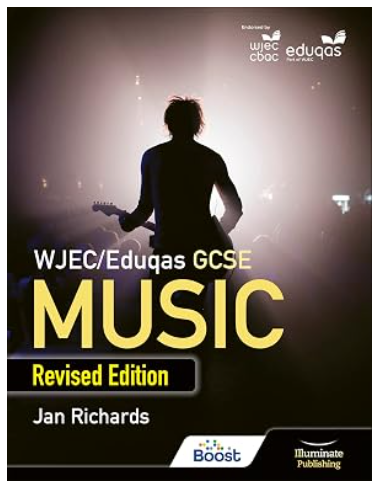
- Eduqas GCSE Music Revision Guide
- Knowledge organisers covering the Elements of Music
- A Personalised Learning Checklist (PLC) containing 300 key musical terms
- Summary sheets for the two set works:
- Badinerie by J. S. Bach
- Africa by Toto
- Previous examination papers and assessments to support preparation for the Appraising examination
📚 Recommended Revision Materials
Students should make regular use of their Eduqas GCSE Music Revision Guide, knowledge organisers and Personalised Learning Checklist to develop their understanding and use of musical terminology.
The summary sheets for Badinerie and Africa should be used regularly to develop secure knowledge of the two set works, including their structure, harmony and tonality.
Previous examination papers and tests should also be revisited to help students become familiar with the different types of questions and how to approach them successfully. Past papers and mark schemes for GCSE Music are available through Eduqas.
💡 How to Revise Music
Revision for GCSE Music should include a balance of performance practice, composition development and preparation for the Appraising examination. All Year 11 students have been provided with ‘Eduqas GCSE Music Student Book’ and should use this so a regular basis.
Performance
Students should:
- Attend instrumental lessons and bring the sheet music for their solo and ensemble performances.
- Practise their instrument regularly at home and/or in school.
- Focus carefully on the accuracy of rhythm and pitch.
- Consider how dynamics and articulation can improve the quality and musicality of their performance.
- Act on feedback from instrumental and Music teachers to refine their performances.
Composition
Students should:
- Plan carefully how they will use the elements of music within their compositions.
- Regularly review and develop their compositions rather than leaving improvements until close to the deadline.
- Attend Composition Club and intervention sessions for additional support.
- Respond to teacher feedback and continue refining their musical ideas.
Appraising Listening Examination
Students should:
- Regularly revise the elements of music and associated musical terminology.
- Use their 300-keyword Personalised Learning Checklist to identify areas that require further revision.
- Study the two set works, Badinerie and Africa, ensuring they understand key features including structure, harmony and tonality.
- Revisit previous examination papers and tests to become familiar with the types and styles of questions.
- Practise applying musical terminology accurately when describing and analysing what they hear.
💻 Online Revision Resources
The following websites provide a range of subject-specific revision materials to help students prepare for their GCSE examinations.
Eduqas Examination Board Revision Materials Eduqas Examination Board Revision Materials
GCSE Music Revision GCSE Music Revision
🎵 Coursework Information
GCSE Music includes significant practical and coursework elements in Performance and Composition. Alongside preparation for the listening examination, students therefore need to manage their rehearsal and composition time carefully throughout the course.
🎼 Performance
Performance: 30%
Students complete two performances with a combined minimum duration of four minutes.
This must include:
- A solo performance.
- An ensemble performance.
- At least one minute of ensemble performance.
Students should attend their instrumental lessons consistently, bring the appropriate sheet music and practise regularly between lessons. Particular attention should be given to rhythmic and pitch accuracy, dynamics and articulation.
🎹 Composition
Composition: 30%
Students complete two compositions:
- One composition responding to a brief set by the examination board.
- One composition based on the student's own choice.
Each composition should have a minimum duration of two minutes.
Students should plan how they will use the elements of music within their compositions and make effective use of Composition Club and intervention sessions to develop and refine their work.
Coursework intervention sessions are taking place to support students with their Performance and Composition work. Dates for these sessions will be communicated centrally by the school.